How AI Is Transforming Consumer Technology
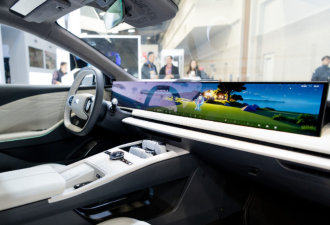
Artificial intelligence (AI) is profoundly reshaping the form and experience of the consumer market, becoming a catalyst for consumption. New products such as intelligent connected vehicles, intelligent robots, and smart wearable devices are emerging in rapid succession, attracting more and more consumers to purchase and experience them. Smart consumption infrastructure, such as smart business districts, smart streets, smart stores, and immersive experience spaces, is further promoting service scenario innovation and experience optimization, injecting new vitality into the consumer market.
Definition of Smart Consumption
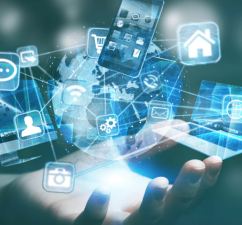
Smart consumption is a new type of consumption, supported by the innovation and application of next-generation technologies such as the Internet, digital technology, and artificial intelligence. It is a new consumption behavior and consumption pattern formed based on new technologies, new business formats, new models, and new scenarios. It represents a profound transformation in consumption scenarios, consumption methods, and consumption objects brought about by AI technology. As a strategic frontier technology leading a new round of technological revolution and industrial transformation, AI has penetrated the consumer field in recent years, bringing profound changes to consumption scenarios, consumption methods, and consumption objects. Intelligent products such as voice assistants, smart cars, and robot vacuum cleaners are emerging in large numbers. From home to workplace, from education to healthcare, from transportation to cultural entertainment, the application scenarios of AI continue to expand, its functions are constantly enriched, and it is profoundly changing the way people work, live, and learn.
Changes in Payment Methods
The increasing sophistication of payment methods and financial instruments is also influencing consumer habits. Mobile payments, digital wallets, installment shopping, and "buy now, pay later" services lower the barriers to payment, making large or impulsive purchases easier. Simultaneously, credit assessments based on behavioral data and microloans expand consumption possibilities but also bring the risk of debt accumulation. Consumers should understand the costs and risks of each payment option and use credit tools rationally.
Changes in the Shopping Process
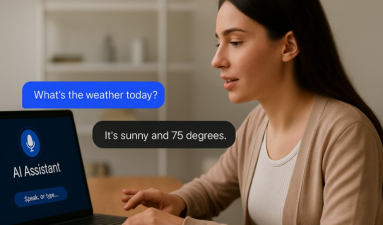
In the shopping process, voice search, chatbots, and intelligent assistants make ordering faster. You simply state the desired products, quantities, and preferences, and the system can provide matching options, compare prices, and even complete the payment and order placement for you. Intelligent customer service can answer frequently asked questions 24/7, reducing waiting time. This lowers the barriers to shopping, making daily consumption increasingly seamless. However, behind this efficiency, increased reliance also brings risks: without clear judgment, it's easy to be led astray by "convenience" and neglect in-depth consideration of the product itself.
Conclusion
The application of artificial intelligence (AI) in the consumer market is still in its exploratory stage. While consumers experience novelty, they may also feel insecure about privacy protection, algorithm rules, and liability definition. AI's contribution to improving the consumer market is not merely technological upgrading, but also a dynamic optimization of production relations and the consumption environment. Only by building a flexible and inclusive institutional guarantee system to reassure consumers can we further expand new demands for intelligent consumption. Relevant departments should further improve AI laws and regulations, orderly promote the compliant implementation of AI applications, strengthen forward-looking assessments and effective supervision in areas such as data security and ethical risks, clarify the ownership and usage rights of user data, define the responsibility for the use of intelligent products, and effectively protect consumer rights.